



7 min read
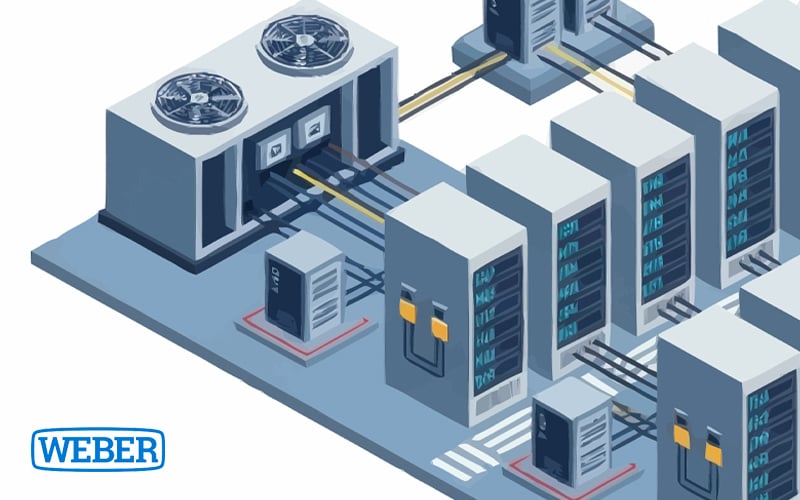
Data center construction is accelerating rapidly. AI workloads, cloud expansion, and hyperscale buildouts are driving demand for more physical infrastructure, more racks, more power distribution, and more cooling capacity.
 For manufacturers, that growth brings a clear challenge: data center production must scale faster than the available skilled labor pool.
Many of the systems that support modern facilities (UPS assemblies, PDUs, switchgear enclosures, busbar networks) depend on high-volume fastening work. And reliable fastening processes are not a minor step. It is one of the core operations that determines whether electrical and mechanical connections remain stable over years of continuous uptime demand.
As demand accelerates, manufacturers are under growing pressure to scale operations without sacrificing quality. Traditional manual screwdriving often struggles to deliver the consistency and throughput required. As production volume rises, manufacturers face predictable constraints:
- Skilled labor is difficult to hire and retain
- Training cycles take time that production schedules don’t allow
- Output slows as teams reach capacity
- Rework increases as variability grows
When throughput targets rise, but labor resources stay flat, fastening becomes a bottleneck. This is where automation becomes practical, not as a replacement for skilled operators, but as a way to stabilize production output and quality that can be tracked down to each screw inserted. Automated screwdriving is one of the most direct ways to remove this bottleneck.
Human Variability Creates Fastening Risk
Even with experienced operators, manual fastening introduces variability. A shift may begin with perfect torque application and consistent tool handling. But over hours of repetitive fastening work, small factors accumulate:
- Fatigue late in the day
- Minor distractions on a busy line
- Wrist strain and repetitive motion injuries
- Slight changes in approach angle or seating pressure
Fasteners that are applied correctly early in the shift may drift later. In many industries, that might only lead to cosmetic defects or minor rework. In data center infrastructure, the consequences are higher. Fastening errors can affect:
- Electrical continuity across busbars
- Thermal performance at connection points
- Structural stability inside rack and enclosure systems
- Reliability of UPS battery linkages
A torque discrepancy in a power distribution connection becomes an uptime and safety risk. At hyperscale volumes, even small fastening inconsistencies become expensive.
Automated Screwdriving as a Consistency Engine
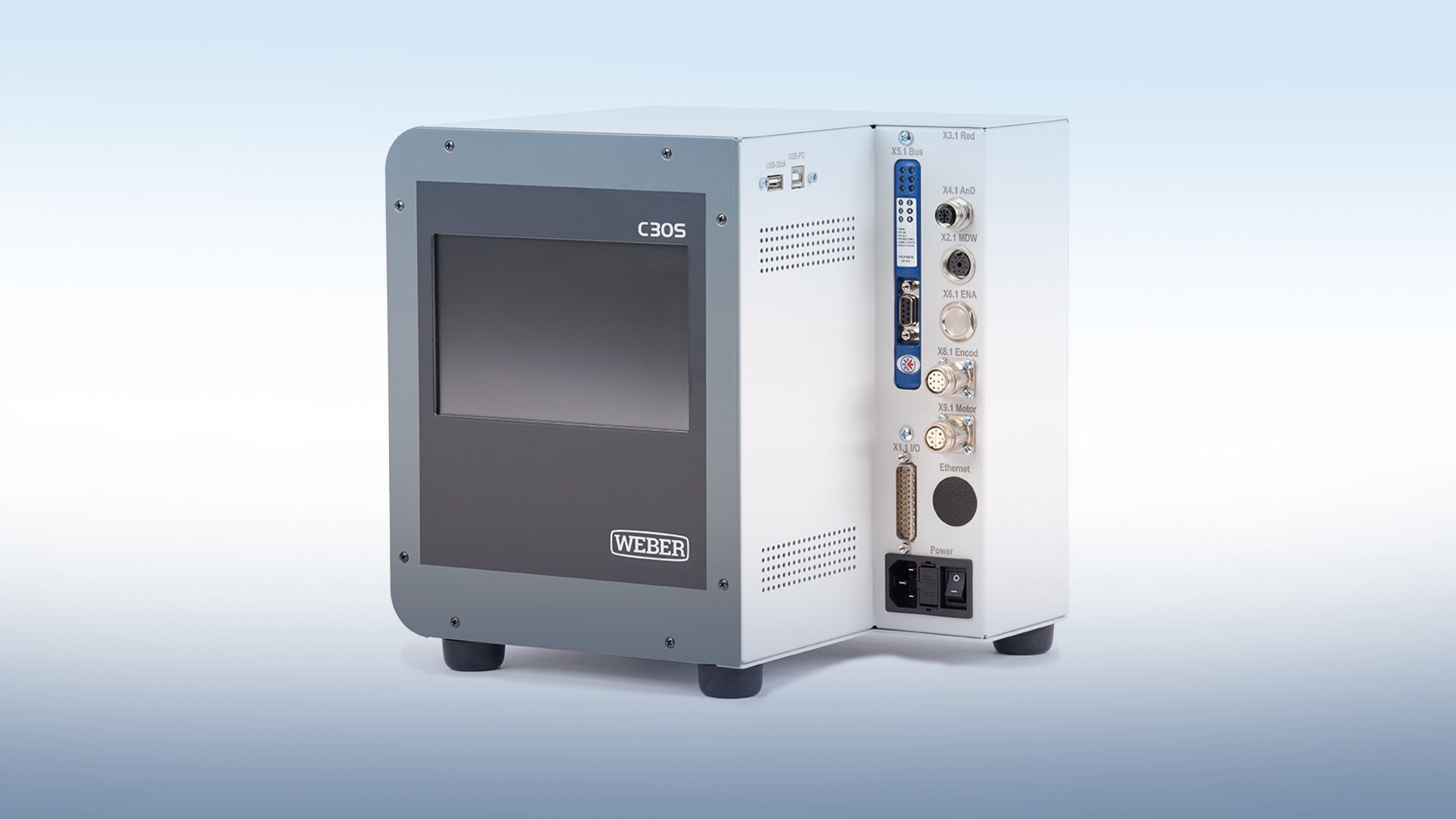
Automated screwdriving systems remove operator-dependent variability by controlling the fastening process at the tool level. Instead of relying on manual judgment, automation locks fastening quality into three measurable parameters:
Torque
 Every fastener is tightened to the exact specification required. This prevents over-tightening that can damage components and under-tightening that can create resistance, looseness, or premature failure.
Angle
Screws are driven with consistent alignment, reducing cross-threading, stripouts, and minimizing mechanical strain on sensitive electrical assemblies.
Depth
Fasteners are seated to the correct depth every time, avoiding loose connections or penetration into protected electronics and wiring. In practice, automated screwdriving can be deployed through:
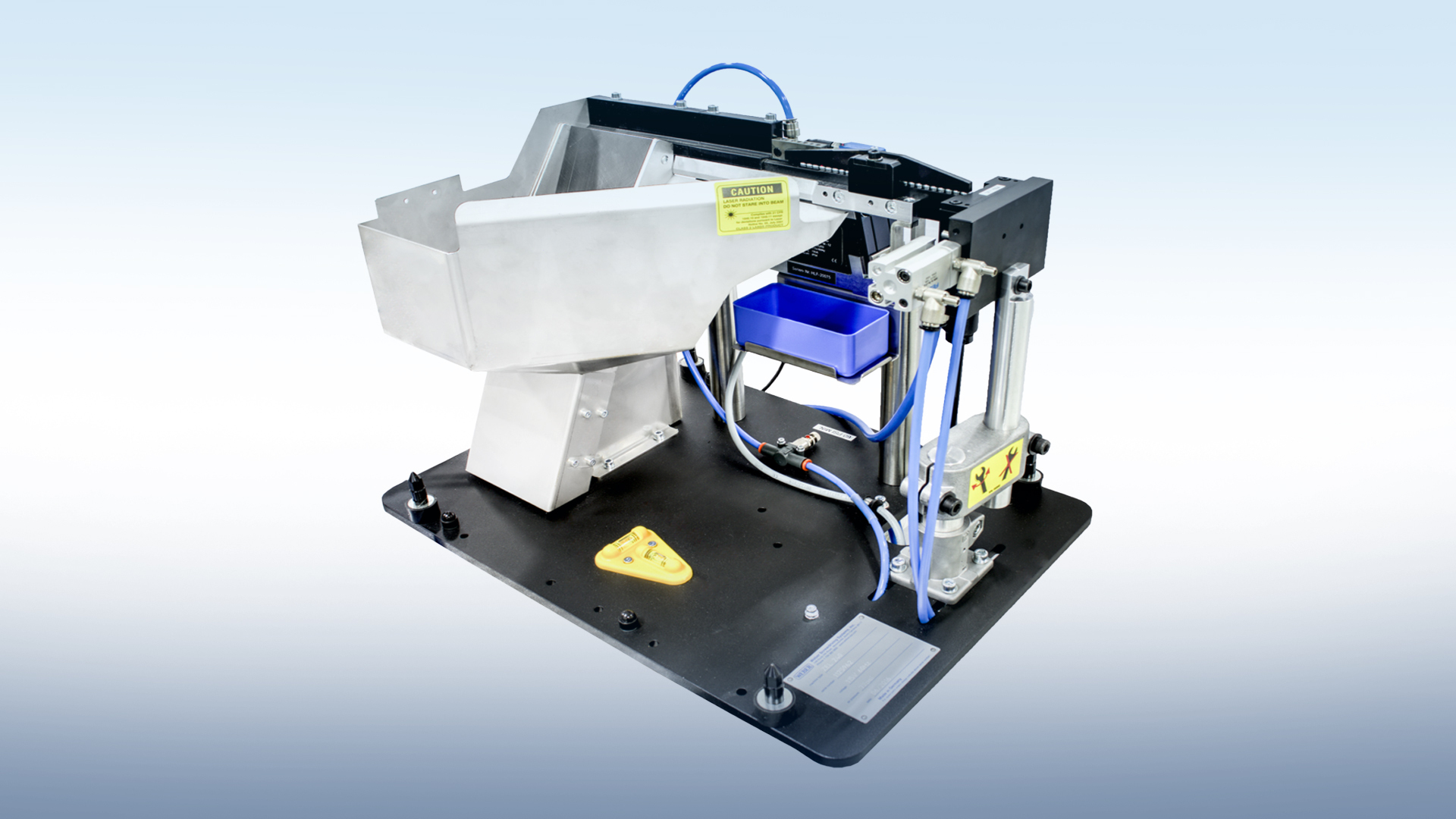
- Fixtured multi-spindle stations for high-volume assemblies
- Robotic fastening cells for modular production lines
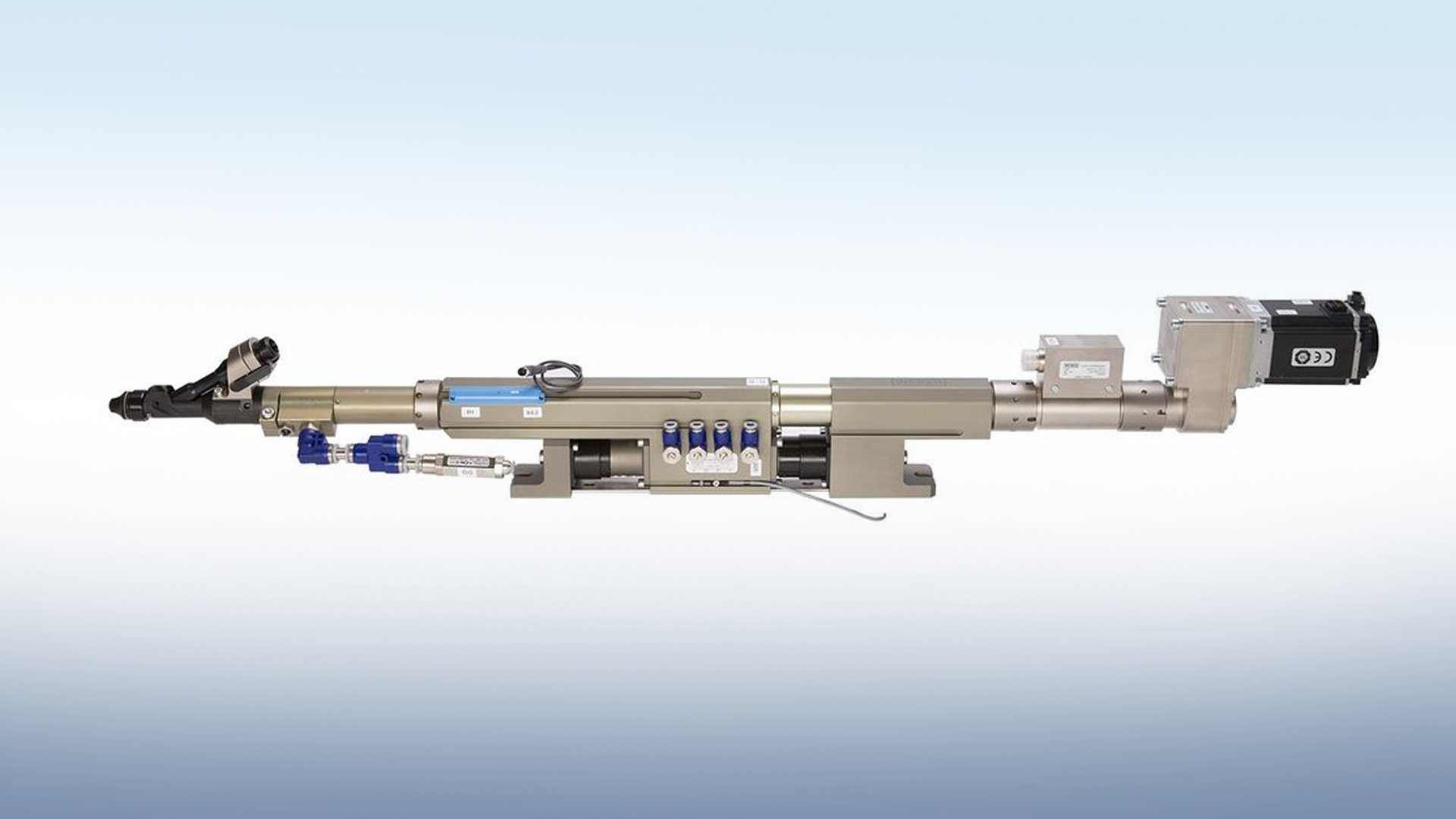
- Intelligent handheld tools with full parameter control
The result is repeatable fastening performance regardless of shift timing, operator fatigue, or labor turnover.
Throughput Gains and Reduced Rework
By controlling fastening variables, manufacturers see immediate production benefits:
- Higher assembly throughput
- Less rework caused by inconsistent clampload
- Reduced inspection burden
- More predictable cycle times
- Standardized quality across teams and facilities
Instead of relying on individual experience, fastening becomes a controlled, validated process. That predictability matters when manufacturers are scaling output to meet aggressive construction timelines.
Standardizing Fastening Before Scaling Further
Data center infrastructure depends on repeatable assembly quality. As facilities grow larger and more complex, fastening becomes one of the key operations that must remain stable at scale.
Automated screwdriving helps manufacturers increase throughput without sacrificing consistency. It shifts fastening performance from human variability into process control.
In Part 2, we’ll look at the next challenge: maintaining fastening consistency beyond the factory, during modular deployment, remote installation, and rapid expansion across sites.