



2 min read
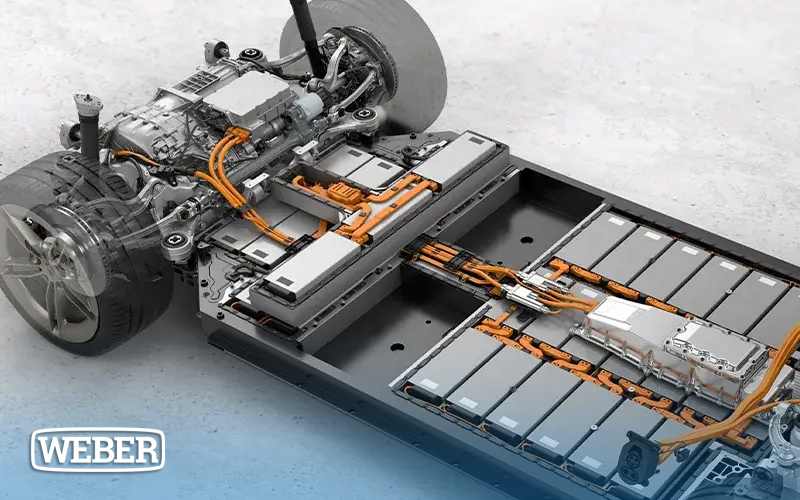
In the demanding field of electric vehicle (EV) battery assembly, manufacturers must adhere to specialized standards that prioritize clamp load over simple torque. While traditional fastening focuses on ensuring screws are tight, EV applications require precise pressure under the fastener head to hold components together securely. This distinction is vital for the safe and efficient transfer of high-voltage, high-current electricity between parts. By utilizing specialized systems that provide data on fastener positioning and clamp load, manufacturers can ensure optimal electrical connectivity and structural integrity throughout the assembly process.
Watch this video or read the transcript below to learn more:
Our EV customers can in some ways, play by a little bit of different set of rules. Everyone wants high quality screwdriving and they want to make sure their screws are tight, but what's really, really important to those people is clamp load.
Clamp load is what holds things together. It's not how much torque is on the screw, it's how much clamp load under the head that the screw has. And when you're transferring high voltage, high current stuff, that's really, really important.
We have a number of different methods that we have built into our systems that come standard that allow the customer to retrieve data from the equipment to make sure that the fasteners are not only tight, but they're also in the right position and that there's actually clamp load under the head to ensure good transfer of current electricity from one part to another.