



2 min read
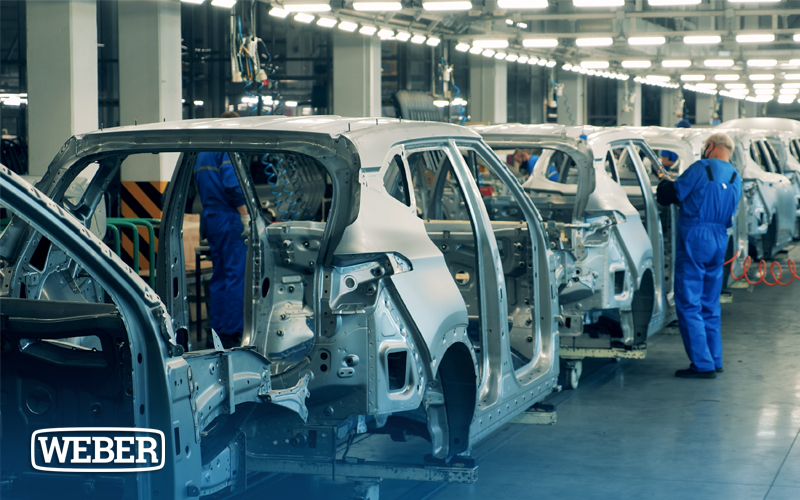
The automotive industry doesn’t just demand speed andefficiency—it demands certainty. Over the past two decades, vehicles have transformed dramatically. Compare a 2007 model to a 2025 vehicle, and the difference is staggering: backup cameras, advanced sensors, automatic braking, and even self-steering systems are now standard.
With that evolution comes significantly higher product liability—and an uncompromising focus on quality. Manufacturers must not only complete processes correctly, but prove they were completed to exact specification. That demand has pushed WEBER to develop advanced error-proofing technologies and data-driven systems that verify every step of the assembly process.
Today, it’s not just about completing the job—it’s about capturing, storing, and retrieving the data that proves it was done right.
Check out this video or read the transcript below to learn more:
A lot of the special technology that we've learned about and developed over the years has really been driven by the automotive industry. The automotive industry is probably one of our biggest customer bases. And it's great because those guys are pushing innovation more and more and more every day.
A lot of it has to do not only with production and good numbers and getting stuff done quickly, but it has to do with product liability. If you think about a car in 2025 and the systems that are on a car versus a car even in 2007… think of all the things that are in a vehicle now that have high liability. Backup cameras, sensors, automatic braking. Now they steer on their own, all these things. So the product liability has just gone way, way up.
Now they're paying attention much more than ever to quality to make sure that they actually have retrievable data that they can point to and say, "We did this process and we did it right, and it's to specification."
What it's really done is it's really driven WEBER to come up with a lot of techniques and error-proofing systems so that when the process is finished, not only do we know that it's 100% correct, but all the data from that process is then downloaded to the customer for storage. And that is a huge part of what we do here.