


3 min read
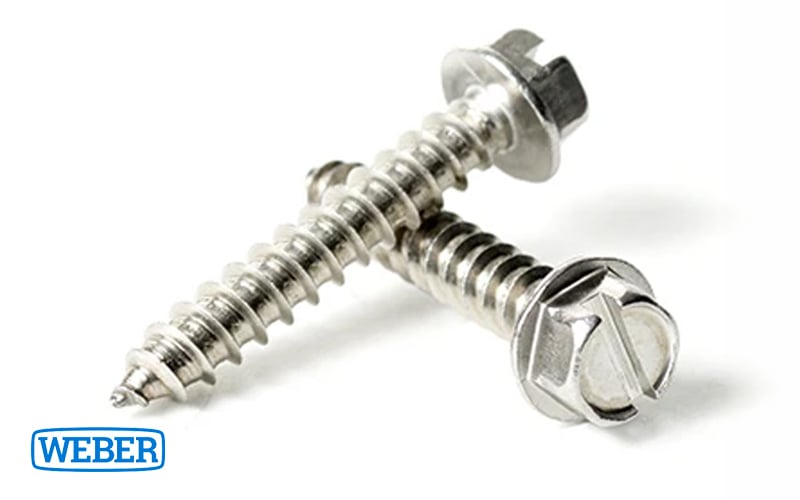
While torque is often viewed as the primary measure of a screw's tightness, it is actually a means to an end: achieving the necessary clamp load, or the force exerted beneath the head of the screw. This distinction is vital because factors such as poor thread quality, back pressure, or high prevailing torque can consume the applied force, leading to insufficient clamp load even when torque specifications are met. This issue is especially prevalent in cast aluminum or plastic parts where core pins can degrade, causing holes to shrink over time. To ensure joint integrity, it is essential to monitor torque levels during the rundown phase to ensure that resistance does not compromise the final clamp load, using specialized assembly techniques to identify parts that fall outside of required specifications.
Watch this video or read the transcript below to learn more:
Clamp load is the amount of force underneath the head of a screw. So, theoretically the tighter you make the screw, the more clamp load you get on the screw. So, you would say it has everything to do with torque, which is part of the story, but it's not the whole story. There's other things that can go on within the joint itself to compromise clamp load. And those are the things we have to look for.
For example, you might have a M8 tapped hole, but maybe the threads aren't that good. So, the screw goes in, you're starting to thread it in, and there's a lot of back pressure because the threads just aren't 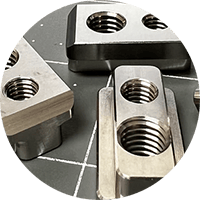 good in the part. Well, the key is to identify that early on so that you can fail the part because under a prescribed amount of torque, you should equate to a certain amount of clamp load. Well, if a lot of that's getting eaten up by a bad thread, this is especially important in parts that are casted, whether they're aluminum castings or plastic castings, where the core hole has a tendency over time to shrink and shrink as the core pin that makes the hole starts to break down.
These are things that we see in industry that don't get monitored probably as well as they should. So, what happens is the more prevailing torque or thread forming torque that happens during the fastening operation, the more that goes up, the more the clamp load goes down. So, what holds things together is clamp load, not torque. Torque is how you get the clamp load. But you have to have reliable amount of friction, or thread forming torque, in order to achieve the clamp load that you want.
And what we do is we monitor the amount of torque while we're doing the run on the rundown phase to make sure that the prevailing torque, or thread forming torque, isn't too high to compromise the clamp load. This can be on machine screws like the M8 example that I just mentioned or it could be on casted parts. A very, very important aspect of screwdriving is to identify if the parts that you're assembling are within specification and there is very, very special techniques to verify that they are and actually throw an error when they're not.